Copenhagen first, then Paris. In the space of a year, An Se-young turned two of the biggest stages in badminton into career landmarks: world champion, then Olympic champion. For South Korean women’s singles, both wins carried extra weight. For the rest of the field, they confirmed something that had been building for seasons: this was no longer a gifted young player on the rise, but the standard everyone else had to chase.
Born on February 5, 2002, in Gwangju, An grew into that role unusually early. She is a right-handed women’s singles player, listed at 1.70 m, and her badminton story began in elementary school at Pungam Elementary. The results came quickly enough to mark her out, but what stood out even more was the speed of her climb through Korea’s system.
A junior career that moved faster than usual
Long before she became world No. 1, An Se-young was already winning well above her age group. She played the Asian Junior Championships in 2015 and reached the under-15 quarter-finals, then won the U15 Korea Junior Open the same year.
The next season brought a flood of junior titles. In 2016, she won U15 girls’ singles crowns at the Jakarta Open Junior International, the Jaya Raya Junior Grand Prix, the Asian Junior Championships and the Korea Junior Open. Those were not isolated good weeks. They showed a player who could control matches with speed and accuracy before most opponents had settled into rallies.
By 2017, she was collecting team medals too, including Asian Junior Championships mixed team gold and bronze in the mixed team event at the BWF World Junior Championships. But the bigger development came at home. At 15, she was selected for South Korea’s senior national team, becoming the first middle school student to make it. That detail says plenty about how she was viewed inside Korean badminton: not simply promising, but exceptional enough to skip the usual timeline.
Senior debut, first titles and a fast breakthrough
Her senior international debut came in 2018, and she did not need long to win at that level. That year she took the Irish Open, her first senior international title, and also helped South Korea to an Uber Cup bronze medal.
Then came the season that pushed her into the wider badminton conversation. In 2019, An won the New Zealand Open, her first BWF World Tour title, beating former Olympic champion Li Xuerui in the final. It was a statement win, but not a one-off. She added titles at the Canada Open, Akita Masters, French Open and Korea Masters, and finished the year inside the world top 10.
Awards followed naturally from the results. The BWF named her Most Promising Player of the Year in 2019, and she later received a rookie honor at the Coca-Cola Sports Awards in Korea.
Learning the biggest stages
The disrupted pandemic period slowed the tour for everyone, and An was no exception. Even so, she kept moving forward. At the Tokyo Olympics, held in 2021, she reached the women’s singles quarter-finals on her Olympic debut. It was not a medal run, but it gave her a first close look at the pressure and rhythm of the sport’s biggest event.
Later that same year, she won the BWF World Tour Finals, one of the most important titles of her career to that point. It mattered not only because of the trophy, but because it showed she could close out elite fields at the end of a long season.
From contender to title threat
By 2022, An Se-young had moved beyond the label of rising star. She was now a regular presence deep in major tournaments, and her season had both individual and team weight.
She won the Korea Open, Malaysia Masters and Australian Open, reached the All England final, and took bronze medals at the Asian Championships and the BWF World Championships in Tokyo. In team competition, she helped South Korea win the Uber Cup.
There was a pattern to all of it. She was not just collecting results at smaller stops. She was showing up in the biggest weeks, against the strongest draws, and doing it across the calendar.
The year she took over
Some careers turn on one season. For An, 2023 was that season.
She won the All England Open, one of the sport’s most prestigious titles, and added a string of major World Tour victories including the India Open, Malaysia Open, Singapore Open and Korea Open. More importantly, she reached world No. 1 for the first time in August.
Then came Copenhagen. At the BWF World Championships, she won the women’s singles title and became the first Korean woman ever to do so. It was a historic result, but it also fit the shape of her season: patient, forceful badminton, long rallies tilted her way, and opponents gradually worn down by her pace and control.
Her Asian Games campaign later that year added another layer. She won women’s singles gold, the first by a Korean woman since Bang Soo-hyun in 1994, and also helped South Korea to women’s team gold. South Korea finished runner-up at the Sudirman Cup as well.
By the end of the season, the BWF named her Female Player of the Year. That was less a coronation than a reflection of what the results already showed.
Olympic gold in Paris
The next step was the hardest one to take because so few players ever do it. In Paris, An Se-young won Olympic gold in women’s singles, becoming the first South Korean woman to take that title since Bang Soo-hyun won in Atlanta in 1996.
That victory completed the kind of sequence that defines careers: world champion, then Olympic champion. She also reached another All England final and continued to add tour titles, including wins at the French Open and Singapore Open.
For a player who had entered the senior team as a teenager, the path now looked remarkably complete. But what made the run impressive was not just the medals. It was the way she played through those seasons: measured under pressure, physically relentless, and rarely rushed even when matches became frantic.
A title haul that kept growing
An’s record across junior and senior badminton is already unusually deep. Her combined individual title count has been widely listed in the 50s, with more than 40 of those coming at senior level. Among the most notable senior titles are:
- Irish Open
- New Zealand Open
- French Open
- Korea Open
- Malaysia Masters
- Australian Open
- India Open
- Malaysia Open
- Singapore Open
- All England Open
- BWF World Tour Finals
Her major-medal collection is even more telling: World Championships gold and bronze, Olympic gold, Asian Games singles gold, team gold at the Asian Games, and Uber Cup medals including gold.
One rivalry that has stood out in recent seasons is her record against Wang Zhiyi. Their head-to-head has strongly favored the Korean, underlining how effective An’s pace control and defensive resistance can be against another top attacking singles player.
Why her game is so hard to break down
At first glance, An Se-young’s style looks simple: she gets to everything, extends rallies and applies constant pressure. In practice, it is much more layered than that.
She defends with balance rather than panic. She attacks without overcommitting. Her footwork is quick and economical, which lets her recover early and take the shuttle in positions that keep the rally on her terms. She is especially effective with flat exchanges, disguised changes of pace, punch clears and compact countering shots that flip defense into attack.
What separates her from many elite defenders is that she does not merely survive pressure. She redirects it. Opponents often have to play one extra shot, then another, and by that stage the rally has usually drifted toward her control.
That mix of patience and aggression is the core of her badminton. She can hit hard, but she does not need to force the point too early. She can retrieve, but she is never only reacting. In women’s singles, that balance is a difficult thing to live with over an hour of match play.
Life away from the court
Off court, Gwangju remains central to her story. It is where she was born, where she first picked up the sport, and where much of her identity in Korean badminton still sits.
Publicly available family details are limited, which is usually a good sign in sports coverage. Reports have mentioned her father, Ahn Jeong-hyeon, and a younger brother, but An herself has kept the focus largely on badminton rather than private life.
Her training habits, though, have occasionally offered a glimpse of the discipline behind the results. Korean media reports have described strict competition diets and physically demanding conditioning work, including sessions designed to build endurance and lower-body strength. Those details track with what shows up in her matches: stamina, repeat movement and the ability to hold quality deep into long rallies.
She has also received recognition beyond tournament results. Forbes Asia included her in its 30 Under 30 list in the entertainment and sports category, a sign of how quickly her profile grew beyond badminton circles.
One off-court issue did become public after the Paris Olympics. Following her gold medal, An was involved in a dispute with the Badminton Korea Association. According to published reporting in South Korea, the dispute included her criticism of injury management and aspects of the national-team training system, including concerns about how singles players were prepared. Those claims became significant enough that the Ministry of Culture, Sports and Tourism launched an investigation in August 2024. Because the matter involved public allegations and official review, it is best described as a documented dispute rather than settled fact on every point.
FAQ
How old is An Se-young?
She was born on February 5, 2002.
Has An Se-young won Olympic gold?
Yes. She won the women’s singles title at the Paris Olympics.
When did An Se-young become world No. 1?
She first reached world No. 1 in women’s singles in August 2023.
What are An Se-young’s biggest titles?
Her biggest titles include the World Championships, the Olympic Games, the All England Open, the Asian Games women’s singles title and the BWF World Tour Finals.
What is An Se-young’s playing style?
She is known for speed, court coverage, defensive control, patient rally construction and the ability to turn defense into attack.
Is An Se-young sponsored by Yonex?
Yes. An Se-young has been associated with Yonex equipment.
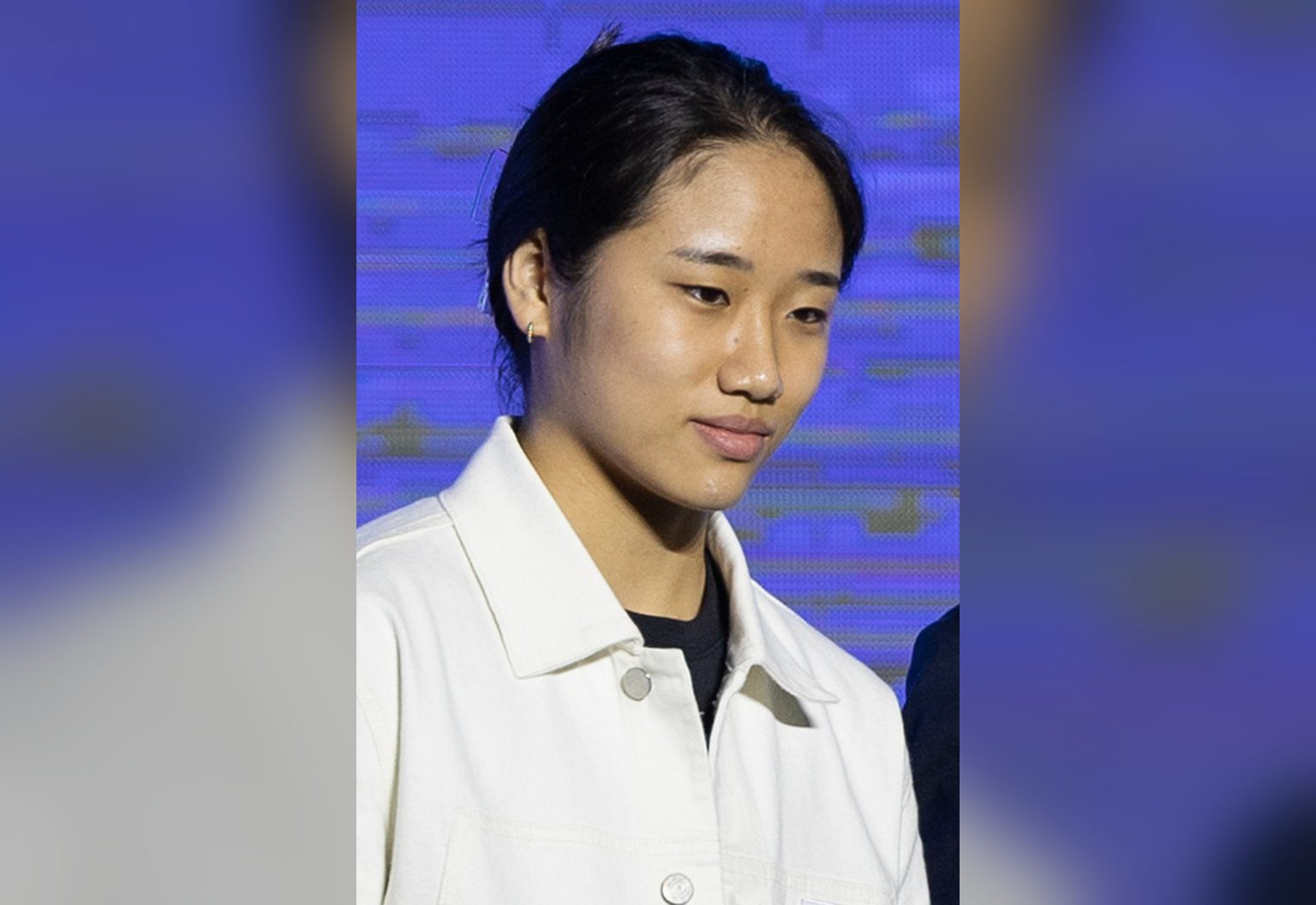
Photo: KOCIS(Korean Culture and Information Service) Official…, CC BY-SA 2.0, via Wikimedia Commons